Advanced Personality Building and Management Training by AQIP
تعمیر و تنظیمِ شخصیت
Course Outline
1. Communication Model

Effective communication is the foundation of personality development and social success. This module explores ethics, manners, verbal and nonverbal accuracy, and how communication shapes leadership and relationships. Learners understand how errors in communication damage personal and professional life.
Subpoints:
i. Ethics, manners, protocol
ii. غلط طریقے → صحیح طریقے کی تعلیم (with examples & images)
iii. Communication as an art
iv. Leadership and personality demands for communication
v. Business communication — common errors & mistakes
vi. Misbehaviour in public relations & businesses
vii. Word choice and lexical accuracy
1.1 Types of Communication
Understanding communication types helps students identify how language functions in different contexts. This section builds insight into interpersonal, emotional, and situational communication demands.
Subpoints:
i. Communication for success
ii. Communication for relationships
iii. Psychological background for effective communication
iv. Benefits of good communication
v. Losses caused by poor communication
vi. Ignorance in communication
1.2 Ignorance
Ignorance in communication refers to unawareness of behaviour, tone, and social expectations. This unit covers conceptual definitions and types of ignorance that affect communication outcomes.
Subpoints:
i. What is ignorance?
ii. Types of ignorance
2. Body Language
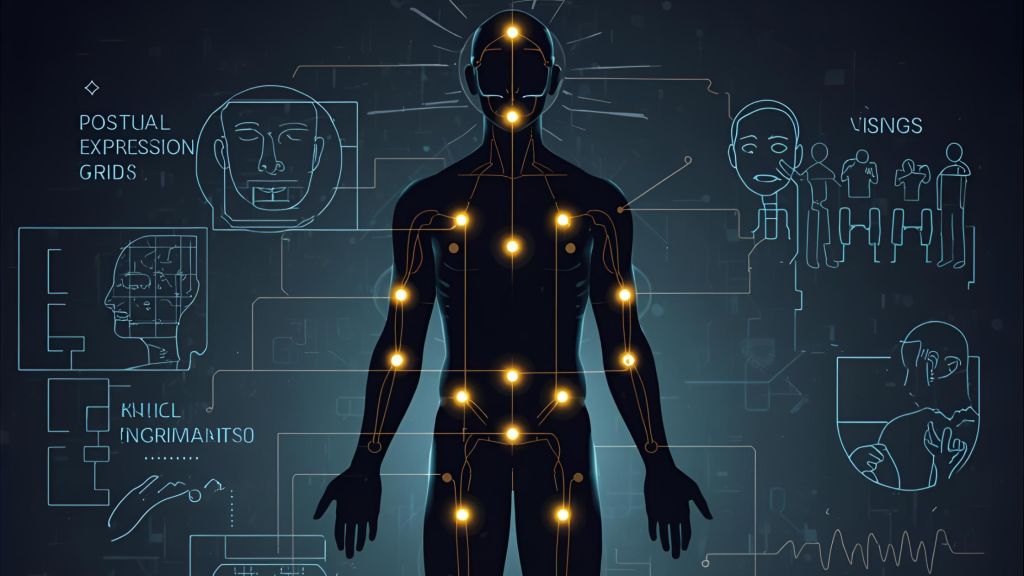
Body language plays a crucial role in shaping impressions and influencing interactions. This module teaches nonverbal signals, negotiation cues, listening psychology, and conflict resolution strategies.
Subpoints:
i. Time orientation
ii. Use of time
iii. Repute-building body language (kinesics)
iv. Paralinguistics
v. Strategic listening
vi. Art of negotiation
vii. Conversational hypnosis
viii. Assertiveness
ix. Conflict resolution
3. Language
Language mastery enhances clarity, persuasion, and cognitive presence. This unit focuses on linguistic skills required for professional, academic, and personal growth.

Subpoints:
i. Effective language use
ii. Linguistic competence in communication
4. Perfection as an Art
Perfection involves disciplined practice, continuous self-analysis, and emotional stability. This module teaches how excellence can be cultivated through intentional habits.

Subpoints:
i. Principles of personal excellence
ii. Continuous growth and self-improvement
5. Confidence

Confidence is the psychological engine of performance and expression. Students learn how confidence forms, grows, and influences social success.
Subpoints:
i. Foundations of confidence
ii. Power of expression
6. Wearing Sense
Personal appearance and dressing intelligence impact first impressions. This section develops students’ sense of grooming and appropriate attire.

Subpoints:
i. Dressing intelligence
ii. Grooming principles
7. Eating Sense
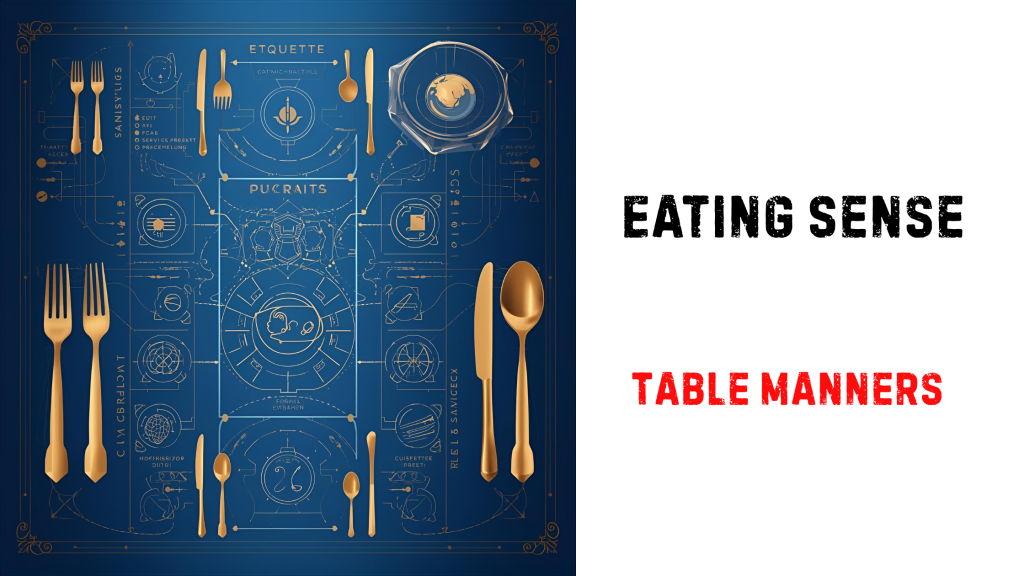
Dining behaviour reflects personal discipline and social awareness. This unit covers table manners and etiquette essential for formal settings.
Subpoints:
i. Dining etiquette
ii. Table manners
8. Serving Sense
Serving skills reflect humility, leadership, and social behaviour. This module trains individuals in hosting, hospitality, and service etiquette.
Subpoints:
i. Serving etiquette
ii. Social hosting skills
9. Money Management
Financial intelligence is a vital part of personality construction. Students learn spending habits, saving patterns, and basic investment psychology.
Subpoints:
i. Spending behaviour
ii. Saving habits
iii. Investment psychology
10. Public Dealing

Public dealing requires patience, emotional control, and professional etiquette. This module builds communication skills for customer and social interactions.
Subpoints:
i. Customer interaction
ii. Social behaviour in public settings
11. Life Management
Life management strengthens clarity, discipline, and decision-making. Students develop the ability to structure life goals effectively.
Subpoints:
i. Goal setting for life
ii. Decision-making
iii. Building discipline
12. Relationships

Healthy relationships depend on emotional intelligence and mutual respect. This section examines personal, social, and professional relationship dynamics.
Subpoints:
i. Family relationships
ii. Social relationships
iii. Professional relationships
13. Religious Practices

Spiritual discipline shapes moral behaviour and inner stability. This module emphasizes ethical living tied to religious foundations.
Subpoints:
i. Spiritual discipline
ii. Ethical and moral grounding
14. Actual Approach to Life

A correct mindset about life builds resilience and positivity. Learners explore philosophies that support meaningful living.
Subpoints:
i. Life philosophy
ii. Constructive thinking
15. Academic Success

Academic performance is affected by habits, planning, and mental focus. This unit teaches actionable strategies for study improvement.
Subpoints:
i. Study planning
ii. Productive learning habits
16. Psychology of Money
This section explores how thoughts, emotions, and beliefs shape financial decisions. Students learn how money mindset influences behaviour.
Subpoints:
i. Behavioural finance
ii. Money attitudes and beliefs
17. Emotional Intelligence (EQ) — Decoding EQ
EQ empowers individuals to understand emotions, manage reactions, and build healthier relationships. This module explores emotional patterns and behavioural outcomes.
Subpoints:
i. Emotional intelligence
ii. Emotional starvation
iii. Emotional vigilance
iv. Emotional management
v. Stress & anger management
vi. Mood & temperament
vii. Behaviour management (attitude vs behaviour)
viii. Holistic emotional well-being
ix. Psychological issues (anxiety & depression)
18. Mental Health
This section examines psychological well-being, emotional stability, and mental resilience. Students learn strategies to maintain a healthy mind.
Subpoints:
i. Psychological well-being
ii. Balance and resilience
19. Adjustment
Adjustment is essential for social survival and emotional balance. This unit covers personal and social adaptability.
Subpoints:
i. Personal adjustment
ii. Social adjustment
20. Team Building Techniques
Effective teamwork depends on collaboration, empathy, and shared goals. Students learn group dynamics and leadership-based cooperation.
Subpoints:
i. Collaboration skills
ii. Group psychology
21. Coaching for Businesses
This module strengthens corporate leadership behaviour and performance coaching. Students explore behavioural strategies used in business environments.
Subpoints:
i. Business leadership coaching
ii. Corporate behavioural coaching
22. Self Accuracy
Self-accuracy reflects awareness of one’s strengths, behaviours, and areas of improvement. This unit enhances introspection and alignment of personality traits.
Subpoints:
i. Self-evaluation
ii. Self-monitoring
iii. Personality alignment
🔶 Advanced Skill Sections
23. Communication Skills (Advanced)
Advanced communication requires precision, emotional intelligence, and strategic influence. This module develops high-level corporate communication, negotiation psychology, and persuasive interaction skills. Learners master vocal impact, body language, and conflict resolution essential for leadership.
Subpoints:
i. Corporate communication
ii. The 6 Cs of communication
iii. Body language for reputation (kinesics)
iv. Paralinguistics & vocal impact
v. Strategic listening
vi. Art of negotiation
vii. Conversational hypnosis
viii. Assertiveness
ix. Conflict resolution
24. Public Speaking
Public speaking is a transformational skill rooted in confidence and psychological mastery. This section trains students to overcome stage fear, use NLP techniques, and structure compelling presentations. It includes professional PPT design, nudging principles, and adult learning strategies.
Subpoints:
i. Stage phobia management
ii. NLP and self-hypnosis for confidence
iii. Presentation skills
iv. Transactional Analysis (TA)
v. Reality check on extempore
vi. PPT theme design — R&B of PPT
vii. Context structuring
viii. Rules of nudging
ix. Adult learning principles
25. Leadership Intelligencia
Leadership Intelligencia develops a complete understanding of global leadership—its theories, paradigms, ethics, and practices. This module trains individuals to lead people, systems, and organisations with influence, wisdom, and emotional maturity. It covers all leadership levels from personal to transformational.
Subpoints:
i. Global leadership paradigms
ii. Theories of leadership
iii. Management vs leadership
iv. Leader vs loader
v. Leadership skills
vi. Leadership grades
vii. Leadership reality check
viii. 360-degree leadership
ix. Styles of leadership
x. Laws of leadership
xi. Ethical leadership
xii. Servant leadership
xiii. Levels of leadership
xiv. Organisational leadership
xv. Transformational leadership
xvi. Team leadership
26. Personality Development
Personality development includes grooming, etiquette, global behaviour, and refined social skills. This section shapes students into confident, disciplined, and culturally adaptable individuals prepared for professional and social environments.
Subpoints:
i. Personal grooming
ii. Dressing etiquette
iii. Dining etiquette
iv. Table manners
v. General life etiquettes
vi. Social etiquettes
vii. Corporate etiquettes
viii. Global citizenship
27. Self-Management
Self-management is the art of organising one’s mind, behaviour, and lifestyle. This module promotes reflective thinking, self-awareness, and psychological assessment. Students learn life skills, holistic living, and health-oriented routines like sleep management.
Subpoints:
i. Self-reflection
ii. Self-awareness
iii. Personality assessment (MBTI)
iv. SWOT analysis
v. Essential life skills
vi. Holistic lifestyle
vii. Sleep management
28. Professional Development
Professional development ensures long-term career success through discipline, ethics, and management skills. The module teaches productivity systems, teamwork, leadership, and work-life balance for sustainable professional growth.
Subpoints:
i. Professional ethics
ii. Professional excellence
iii. Goal setting
iv. Team building
v. Teamwork & office management
vi. Procrastination & time management
vii. Workload management
viii. Work-life balance
ix. Career progression
29. Smart Parenting
Smart parenting provides scientific and emotionally intelligent methods for raising children. This unit covers parenting styles, developmental stages, counselling, and modern education systems like STEM and home-schooling.
Subpoints:
i. Pre-parental counselling
ii. Parenting styles
iii. Single-parent parenting
iv. Holistic parenting
v. Parenting for infants & toddlers
vi. Early childhood parenting
vii. Teen parenting
viii. Parenting for adults
ix. Home-schooling
x. STEM education
30. Relationship Management
Healthy relationships require emotional maturity, communication, and conflict resolution. This module teaches self-relationship, marital understanding, social skills, digital behaviour, and strategies to handle crises and complex relationships.
Subpoints:
i. Relationship with self
ii. Pleasure & happiness
iii. Pre-marital affairs & breakup handling
iv. Relationship with spouse
v. Pre-marital counselling
vi. Handling family conflicts
vii. Extra-marital affairs
viii. Social skills
ix. People management
x. Social media management
PRO VERSION – 2nd LEVEL
1. Emotional Intelligence
Emotional intelligence helps individuals understand, manage, and use emotions constructively. This module explains how emotions guide behaviour, build relationships, and influence decision-making. It develops emotional depth for personal and professional excellence.
Subpoints:
-
Emotional intelligence foundations
-
Emotional awareness & control
-
Emotional communication
2. Anatomy of an Emotional Hijacking
This section explains how the brain reacts under pressure and how emotions override logic. Students learn triggers, responses, and strategies to regain control during intense emotional moments.
Subpoints:
-
Fight/flight mechanisms
-
Amygdala hijack
-
Recovery techniques
3. What Are Emotions For?
Emotions serve evolutionary, social, and psychological purposes. This module highlights why emotions exist, how they protect us, and how they shape personal behaviour and relationships.
Subpoints:
-
Purpose of emotions
-
Emotions & survival
-
Emotions & decision-making
4. The Nature of Emotional Intelligence
Learners explore EI as a blend of awareness, empathy, regulation, and interpersonal skill. The module strengthens emotional maturity for social success.
Subpoints:
-
Components of EI
-
Emotional empathy
-
Social effectiveness
5. The Relationship (Husband & Wife) – Together Forever Art
A practical module on building long-lasting marital relationships through understanding, patience, empathy, and communication. It highlights psychological needs of spouses.
Subpoints:
-
Emotional needs
-
Conflict healing
-
Commitment practices
6. The Art of Understanding Minds
This section develops psychological insight—how people think, feel, and behave. Learners understand patterns, motivations, and hidden mental processes.
Subpoints:
-
Cognitive patterns
-
Behaviour cues
-
Mental mapping
7. How to Build the Future
A forward-thinking module on planning, decision-making, and designing a meaningful future. It teaches how vision becomes reality through disciplined action.
Subpoints:
-
Vision building
-
Strategic planning
-
Long-term mindset
8. Black Box Thinking
Black box thinking teaches how to learn from failures scientifically. This module helps students use mistakes as data for continuous growth.
Subpoints:
-
Failure analysis
-
Improvement loops
-
Growth mindset
9. Work Less and Achieve More (The Art)
A model for smart productivity, prioritising results over effort. Learners adopt high-impact techniques that maximize output with minimal wasted energy.
Subpoints:
-
Intelligent productivity
-
Pareto principle
-
Energy management
10. Talent, Opportunities, Action, Steps
An integrated framework showing how talent becomes success through structured steps and timely actions. Students learn to convert potential into achievements.
Subpoints:
-
Identifying talent
-
Opportunity recognition
-
Execution strategy
11. Developmental Philosophy
This section explains how personal growth develops through mindset, principles, and long-term learning. It creates a foundation for disciplined living.
Subpoints:
-
Growth principles
-
Inner development
-
Philosophical grounding
12. Social Psychology
Social psychology helps learners understand how society, groups, and interactions shape behaviour. It improves social intelligence and adaptability.
Subpoints:
-
Group influence
-
Social perception
-
Behavioural norms
13. Psychology of Difference
A study of why people differ in thinking, personality, behaviour, and motivations. It promotes empathy, respect, and diversity awareness.
Subpoints:
-
Individual differences
-
Personality variations
-
Cognitive diversity
14. Trigger to Yes – Science of Influencing Decisions
A practical module on persuasion and the psychology behind decision-making. Students learn ethical influence techniques and behavioural triggers.
Subpoints:
-
Decision psychology
-
Ethical persuasion
-
Influence tools
15. Personal Change by Habits for Highly Effective Leaders
This module reveals how leaders transform through disciplined habits and behavioural patterns. It encourages sustainable self-improvement.
Subpoints:
-
Habit science
-
Leadership habits
-
Self-transformation
16. 9 Secrets of the People Who Changed the World
A motivational module studying the mindset and philosophies of world-changing personalities. Learners adopt principles for greatness.
Subpoints:
-
Vision & courage
-
Discipline & resilience
-
Purpose-driven action
17. 1200 Inspiring Ideas for Work, Home & Happiness
A toolkit of powerful ideas that improve productivity, relationships, and emotional well-being. Students get practical inspirations for everyday life.
Subpoints:
-
Work-life hacks
-
Home harmony tips
-
Happiness boosters
18. Wealth, Greed & Happiness
This module explores how money, desire, and happiness interact. Learners understand psychological traps and healthy financial perspectives.
Subpoints:
-
Wealth mindset
-
Greed psychology
-
Balanced happiness
19. Understanding Body Language
Students learn nonverbal cues, gestures, eye contact, and posture to interpret people accurately and build influence.
Subpoints:
-
Nonverbal signals
-
Impression building
-
Behaviour decoding
20. Hazrat Muhammad ﷺ as Leader & Psychologist
A study of the Prophet’s unmatched leadership, emotional wisdom, and psychological mastery. Learners explore timeless principles for modern life.
Subpoints:
-
Prophetic leadership
-
Emotional example
-
Conflict management
21. The Secrets of Life
This module explores meaningful living, spiritual depth, and understanding life’s invisible patterns.
Subpoints:
-
Life philosophy
-
Meaning & purpose
-
Practical wisdom
22. The Art of Successful Life
A practical blueprint on structuring life with clarity, discipline, and intelligent choices.
Subpoints:
-
Success principles
-
Habitual discipline
-
Strategic thinking
23. The Art of Happiness / Rules of Happiness
Learners explore scientific and spiritual rules of long-lasting happiness.
Subpoints:
-
Happiness psychology
-
Emotional habits
-
Gratitude & contentment
24. Secrets of Personality
A deep dive into personality traits, behaviours, strengths, and hidden potentials.
Subpoints:
-
Personality discovery
-
Strength profiling
-
Behaviour awareness
25. Peaceful Life
This module promotes emotional calmness, mental balance, and social harmony.
Subpoints:
-
Inner peace
-
Stress reduction
-
Balanced living
26. How to Speak & How to Speech
A practical communication module focused on articulation, clarity, and public speaking.
Subpoints:
-
Speaking basics
-
Speech structure
-
Expression techniques
27. Sex Education & Adolescent Guidance
A scientific and psychological guide to understanding physical, emotional, and social challenges of adolescence.
Subpoints:
-
Biological understanding
-
Emotional guidance
-
Healthy boundaries
28. Educational Success
This module builds study skills, planning systems, and academic discipline.
Subpoints:
-
Study habits
-
Exam strategies
-
Academic planning
29. Measurement of Thinking & Power of Thinking
Students learn how thinking influences decisions, creativity, and problem-solving.
Subpoints:
-
Cognitive models
-
Thought measurement
-
Mind performance
30. Nonverbal Communication
A complete guide to gestures, tone, spatial behaviour, and psychological signals.
Subpoints:
-
Body cues
-
Tone psychology
-
Interaction signals
31. Leader’s Thinking
This module develops strategic, visionary, and ethical thinking for leadership success.
Subpoints:
-
Strategic mindset
-
Ethical reasoning
-
Innovative thought
32. The Pause Effects
Learners explore how pauses improve communication, thinking, and emotional control.
Subpoints:
-
Power of silence
-
Decision pauses
-
Emotional pauses
33. Great Secrets
A collection of universal principles that enhance mindset, behaviour, and personal mastery.
Subpoints:
-
Life secrets
-
Behavioural keys
-
Mental shifts
34. Manipulation & Control
A psychological module on understanding manipulation tactics and protecting oneself ethically.
Subpoints:
-
Manipulation signals
-
Defensive strategies
-
Healthy influence
35. Way to Build Good Habits
Students learn practical methods to develop strong, consistent, life-changing habits.
Subpoints:
-
Habit loop
-
Behaviour repetition
-
Habit stacking
36. Grow Mental Power of Your Child
A parenting-focused module on developing cognitive, emotional, and creative strength in children.
Subpoints:
-
Child psychology
-
Mental stimulation
-
Emotional development
37. How to Survive in Idiots
A humorous yet practical guide to navigating toxic, irrational, or unwise people.
Subpoints:
-
Handling negativity
-
Emotional boundaries
-
Interaction strategies
38. Mind Science & Social Issues
Explores how psychology interacts with society, behaviour, and culture.
Subpoints:
-
Mind-society link
-
Behavioural issues
-
Social dynamics
39. Power of Positive Thinking
A mindset module teaching optimism, cognitive reframing, and psychological strength.
Subpoints:
-
Thought reframing
-
Positive habits
-
Mental resilience
40. Process of Success – How to Succeed
A structured pathway showing how discipline, effort, and strategy convert dreams into reality.
Subpoints:
-
Success stages
-
Strategy & effort
-
Continuous improvement
41. Master of Your Emotions
Students learn emotional regulation, resilience, and inner control.
Subpoints:
-
Emotional mastery
-
Behavioral control
-
Calmness techniques
42. Suicide & Questions
A sensitive psychological study addressing emotional crises, prevention, and mental support.
Subpoints:
-
Crisis psychology
-
Emotional help
-
Recovery pathways
43. Power of Believe
This module explains how belief shapes identity, success, and destiny.
Subpoints:
-
Belief systems
-
Self-faith
-
Mental programming
44. The Psychology of Winning
The psychology behind achievers, champions, and high performers.
Subpoints:
-
Winning mindset
-
Mental persistence
-
Achievement psychology
45. Soul & Training
A spiritual-psychological module developing inner purity, discipline, and emotional depth.
Subpoints:
-
Soul discipline
-
Inner training
-
Spiritual development
46. How to Fix Your Team
A practical guide to repairing dysfunctional teams and restoring collaboration.
Subpoints:
-
Team diagnosis
-
Motivation tools
-
Team harmony
47. Psychological Recovery
Students learn techniques to heal from emotional damage, burnout, and stress.
Subpoints:
-
Mental recovery
-
Emotional healing
-
Stability building
48. The Dark Rules of Power
A realistic look at how power works in human behaviour, systems, and society.
Subpoints:
-
Power dynamics
-
Influence rules
-
Protection strategies
49. The Psychology of Selling
A business module on persuasion, customer behaviour, and sales psychology.
Subpoints:
-
Buyer psychology
-
Persuasive selling
-
Customer influence
50. Short Rules of a Ruler
Timeless principles of authority, decision-making, and leadership discipline.
Subpoints:
-
Governing mindset
-
Responsibility rules
-
Leadership discipline
51. Understanding Personal Strength
A module for discovering personal strengths and applying them effectively.
Subpoints:
-
Strength identification
-
Skill utilisation
-
Personal confidence
52. Thought of Prosperity
Learners develop an abundance mindset and positive financial worldview.
Subpoints:
-
Prosperity belief
-
Wealth thinking
-
Mental expansion
53. Motivation for Strugglers – A Scientific Process
Explains the science of motivation, resilience, and long-term struggle.
Subpoints:
-
Struggle psychology
-
Motivation cycle
-
Scientific strategies
54. View of Habits of Successful Leaders
A targeted study of daily behaviours that shape strong leadership personalities.
Subpoints:
-
Leader routines
-
Behaviour patterns
-
Discipline cycles
55. The Compound Effect
Teaches how small, consistent actions create massive long-term results.
Subpoints:
-
Micro-habits
-
Daily consistency
-
Long-term payoff
56. The Obstacles Effect
Students learn how obstacles shape character, strength, and intelligence.
Subpoints:
-
Challenge psychology
-
Overcoming barriers
-
Growth from hardship
57. Art of Think to Achieve
A cognitive blueprint that teaches how powerful thinking leads to success.
Subpoints:
-
Strategic thinking
-
Goal-oriented mindset
-
Problem-solving intelligence